6 steps to survive solo Rust while holding an OP monument
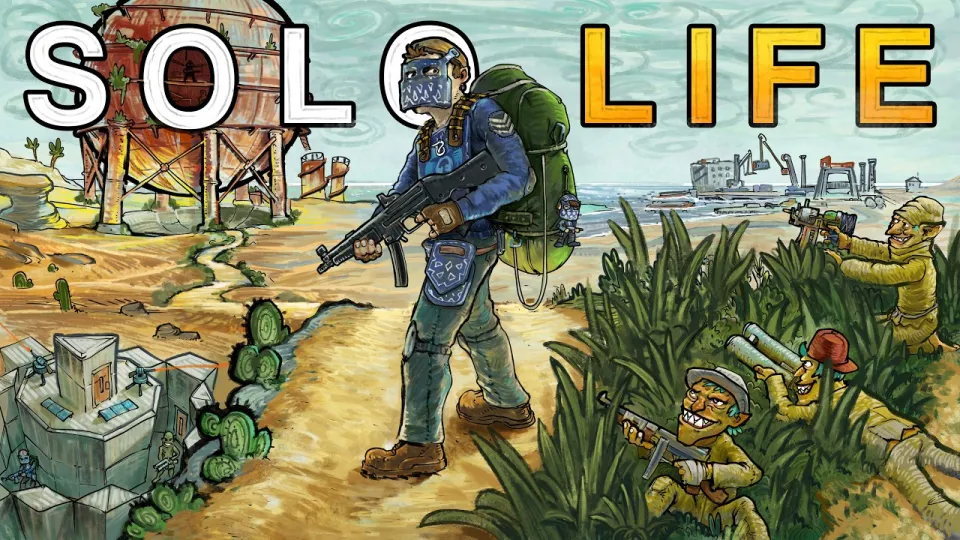
Video: Rust - THE SOLO LIFE V16
Need articles like this for your video? They help promote it on YouTube and Google — order them in the Telegram bot @sat_sit_bot. Articles with your video embedded are written and posted by the bot itself — on popular topical sites (no ads). Your first 50 articles are free.
· based on the channel Blooprint
Rust solo play means running every job on a server alone: farming, building, defending and raiding, while groups of two to eight players do the same with shared effort. Holding an OP monument as a solo works when you treat it as a short, repeatable operation instead of a permanent home, and the Solo Life V16 episode from Blooprint shows exactly that rhythm. If you want to try the same run, you can grab the free War Thunder bonus via Blooprint's link and support the channel while you read.
What the solo Rust run in Solo Life V16 is actually about
The episode is built around one player controlling a high-value monument while multiple neighbors try to take it from him. That single decision drives everything else: the base location, the farming routes, the timing of raids and the constant risk of a counter-push.
- The monument is the income source, not the base. Loot from crates and puzzles funds gear, explosives and upkeep.
- Neighbors are the real difficulty. Groups that lose a fight at the monument come back with more players and better gear.
- Every fight has a cost. A solo who wins three skirmishes but loses a kit each time is still losing progress.
- The wipe is a marathon. The players who last are the ones who keep a backup kit, a hidden stash and a second sleeping bag.
A solo cannot out-farm a group, so the goal is to be unpredictable: farm at odd hours, move loot in small batches and never let a neighbor learn your routine.
1. Pick a monument you can actually contest alone
Not every monument suits a solo, no matter how good the loot table looks. The right pick is one with short puzzle routes, cover on the approach and more than one exit.
- Favor monuments with a single puzzle chain and quick crate respawns over sprawling multi-branch layouts.
- Check the approach: open fields around a monument mean every rotation is visible to neighbors on their roofs.
- Count exits. Two or more ways out let you break contact instead of fighting a group in a corridor.
- Test the traffic. Spend one in-game day watching how many players pass before you commit a base nearby.
- Confirm the loot justifies the risk: military crates and elite crates are worth a fight, ordinary barrels are not.
Once the monument is chosen, build within a short sprint of it but not directly on top of it. A base visible from the monument becomes a raid target within hours.
2. Build a solo base that survives the first raid night
A solo base is a delay device, not a fortress. Its job is to make a raid expensive enough that a group decides to spend explosives elsewhere.
- Keep the footprint small. Two-by-one or two-by-two cores with honeycomb are cheaper to upgrade and harder to read from outside.
- Separate loot rooms. Spread value across two or three compartments so a single breach does not end the wipe.
- Use shotgun traps and flame turrets on the approach, not inside. Damage before the door matters more than damage after it.
- Add a fake entrance. A visible, poorly defended door absorbs the first rocket and buys time.
- Maintain a stash base. A small, boring structure with a sleeping bag, tools and a spare kit keeps you in the fight after a wipe.
Upkeep is the silent killer of solo runs. Before you expand, check that your current base is sustainable from one farming session per day.
3. Farm the monument in short, repeatable rotations
The most common solo mistake at a monument is staying too long. Long sessions attract counters, and a counter at the wrong moment costs the entire haul.
- Run the puzzle, take the crates, leave. Do not wait for respawns inside the compound.
- Move loot to base in small loads so one death never erases a full session.
- Change your route direction and timing each run to break patterns neighbors can read.
- Keep a combat kit on you and a farming kit in the base; never farm in gear you cannot replace.
- Bank scrap first. Scrap converts to blueprints and workbenches, which compound over the wipe.
A solo who banks ten small loads beats a solo who loses one big one. The math is that simple.
4. Handle angry neighbors without feeding them
Neighbors in Rust are a resource and a threat at the same time. The episode's central tension is a solo holding ground while multiple players want that ground for themselves.
- Talk before you shoot when the fight is even. A five-minute truce at a monument often saves a full kit.
- Do not chase kills into open ground. Groups bait solos into fields where numbers decide the outcome.
- Trade small favors. Passing a neighbor a stack of resources can turn a raider into a warning system.
- Punish only what you can finish. A half-done raid creates a permanent enemy with a grudge and free time.
- Keep one friendly contact. A player who messages you when a raid group forms is worth more than a turret.
The community reaction to the episode makes the same point from the other side: viewers repeatedly single out a friendly neighbor as one of the best parts of the run, because good relations change the whole wipe.
5. Defend and raid online as a solo
Online raid defense as a solo is mostly preparation. When the rockets start, you have seconds to decide whether to fight or to save what you can.
- Pre-place bags and lockers around the base so you can re-enter from unexpected angles.
- Keep a defense kit, medical supplies and extra explosives in a separate compartment.
- Fight from the outside in: punish the raid crew's support players and their explosive carrier first.
- Use sound. Footsteps on your roof tell you more than any camera.
- Know when to abandon. Losing a base is recoverable; losing the wipe's entire stash in a pointless defense is not.
When you are the one raiding, the same rules apply in reverse: scout the base, count doors, bring more explosives than you think you need, and raid when the owners are offline or distracted.
6. Turn solo habits into a wipe-long plan
Solo progress in Rust comes from compounding small advantages rather than one big score. A wipe-long plan keeps you from drifting between monuments with no direction.
- Set a daily goal: one monument run, one base upgrade, one blueprint unlock.
- Track your explosives and scrap so you know when a raid is actually affordable.
- Rotate monuments when traffic increases and return when it drops.
- Keep gear tiers realistic: do not run top-tier kits at a monument you cannot defend.
- End each session by banking loot and logging off inside a protected room.
Viewers of the series often note how a chaotic server ends up feeling calm in these videos. That calm is not luck; it is the result of routine, spacing and refusing fights that do not pay.
Useful links
- Free War Thunder bonus for PC and consoles
- War Thunder mobile bonus
- Blooprint on Twitch
- Blooprint on Kick
- Blooprint on TikTok
Final thoughts on playing Rust solo
Solo Rust is a discipline problem more than an aim problem. Holding a monument alone works when you treat it as a short operation, build a base that buys time, farm in small loads and keep at least one neighbor who talks to you instead of shooting. The Solo Life V16 episode from the Blooprint channel is a useful template for that approach: one player, one contested monument and a series of decisions that keep the wipe alive. If the run inspires you to try a sponsored detour, use the War Thunder sign-up link — it costs nothing and supports the channel.
Key takeaways
- Solo Life V16 follows one player holding a high-value monument alone while several neighbors try to push him out.
- The main threats are group raids on a solo base, night pushes and counter-raids during online raid defenses.
- Compact base layouts and layered defenses matter more for solos than raw size or loot volume.
- Monument control pays off only if you can farm it fast, rotate often and avoid long, predictable stays.
- Friendly neighbors and temporary truces can decide a solo wipe as much as aim and gear.
Source: Rust - THE SOLO LIFE V16 · Markdown version
Questions & answers
Can a solo player realistically hold a monument in Rust?
Yes, but only in short bursts. A solo should run the puzzle, take the crates and leave before counters form. Holding a monument permanently requires a group, while a solo benefits more from repeated quick rotations and a base close enough to bank loot fast.
How big should a solo base be in Rust?
Small enough to upgrade and maintain alone. A two-by-one or two-by-two core with honeycomb, split loot rooms and a couple of traps on the approach is usually enough to make a raid expensive. A large solo base signals loot and costs upkeep you cannot sustain.
What should a solo do when a group starts an online raid?
Fight from prepared positions and target the players carrying explosives and supplies first. Keep a defense kit and spare bags outside the main core, and decide early whether the base is worth saving. Losing a base is recoverable; losing the whole wipe's stash is not.
Is it worth making friends with neighbors as a solo?
Often yes. A friendly neighbor can warn you about incoming raids, trade resources and distract groups. The risk is trusting the wrong player, so keep valuables out of shared spaces and treat every alliance as temporary.